A pottery fair held each spring and autumn in Mashiko, Tochigi. Tent villages are set up across the town alongside the kilns and shops. For dates, venues and the exhibitor list, the official sites are the primary source. This page covers the background of Mashiko ware itself, plus the Mashiko-connected potters, exhibitions and shops that megu knows about.
No. 114
October 31 – November 3, 2026
9:00–17:00 (until 16:00 on the final day)
📍 Mashiko, Tochigi
Previous dates: No. 113 April 29 – May 6, 2026
Mashiko Pottery Fair official site →The official sites are the primary source for dates, venues and exhibitors. Please check there before you travel.
Mashiko ware is said to have begun in the late Edo period, when Keisaburo Otsuka — who had trained in Kasama — built a kiln here. Good clay was available locally and Edo (Tokyo) was close by, so the town grew as a producer of everyday goods: bowls, water jars and teapots.
In 1924 Shoji Hamada moved to Mashiko. Working with Soetsu Yanagi on the mingei (folk craft) movement, he had a large influence on local potters, and Mashiko ware broadened from utility goods to tableware and flower vessels. On 3 August 1979 it was designated a traditional craft by the Minister of Economy, Trade and Industry.
The clay bodies are specified as Shinpukuji, Kitagoya or kibushi clay, or clay of equivalent quality. Forming is done on the wheel, by press-moulding, or by hand. Surface decoration includes slip coating, brush marks, carving, tobi-kanna chatter marks and itchin slip-trailing.
The traditional glazes are namijiro, kakiaka (persimmon red), kuro (black), ame (amber), nukajiro (rice-bran white), hai (ash) and nukaseiji. Persimmon and black glazes are made from natural red and yellow ochres; rice-bran white uses straw, wood and rice-bran ash. Underglaze pigments are gosu (cobalt), tessha (iron), ame and copper. Bisque firing is at 700–800°C, the main firing at 1200–1300°C over two to three full days.
The subdued sheen and sturdy, plain surface come from this combination of clay and glaze. When you pick something up at the fair, asking which glaze was used is a good way to start seeing the differences between makers.
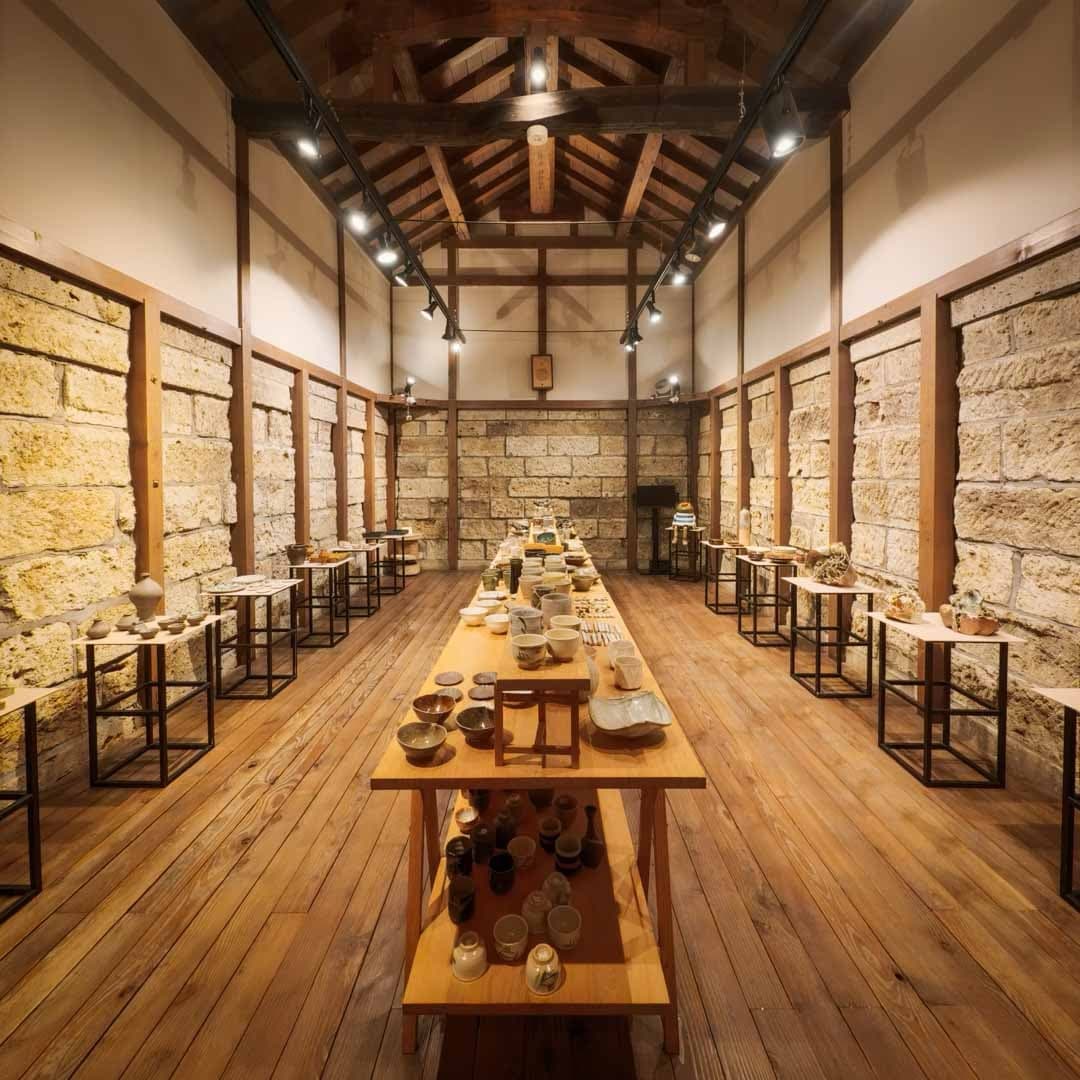
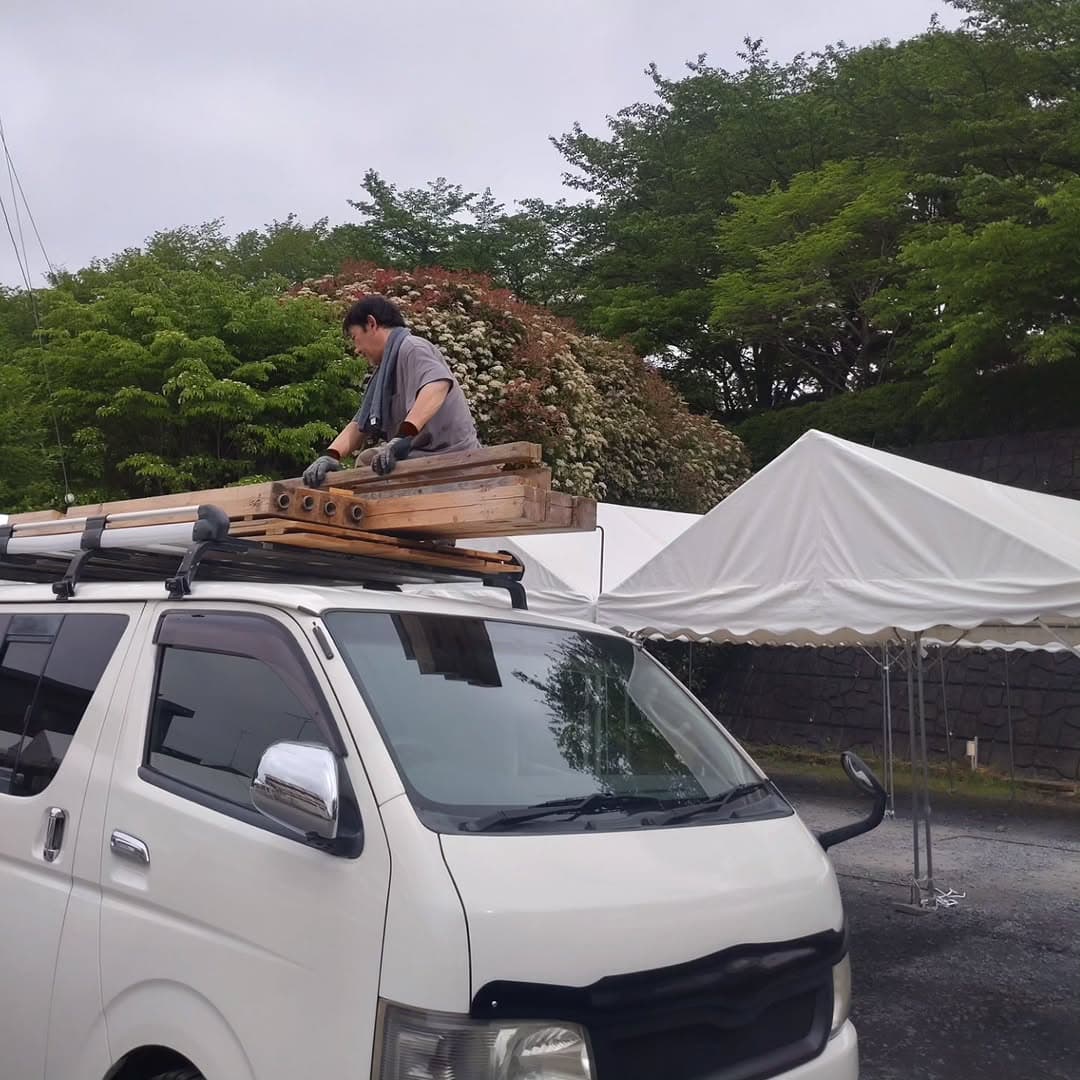
There is no single venue. Tent villages are set up around the town — around Jonaizaka and Sayado, among others — while kilns, galleries and shops open alongside them. The official site carries the current map of the tent villages and individual tents.
**The exhibitor list is also published on the official site.** For the 114th fair it is announced for mid-October. If you want to check who will be there, start from the official exhibitor page.
68 people. Potters who have exhibited at a shop or gallery in Mashiko, or whose profile mentions Mashiko. This is not the fair's exhibitor list.
Sources